Motor Housing Machining for Electric Motor Builders
Send the drawing. We match it with CNC shops that bore bearing seats and turn rotor shafts. Reply within 24 business hours.
Does your motor part need a specialist shop?
Plenty of motor parts are ordinary turning and milling work. A few are not. Tick what is on your drawing. Two or more ticks means the job needs a shop that already gauges bores and journals every day.
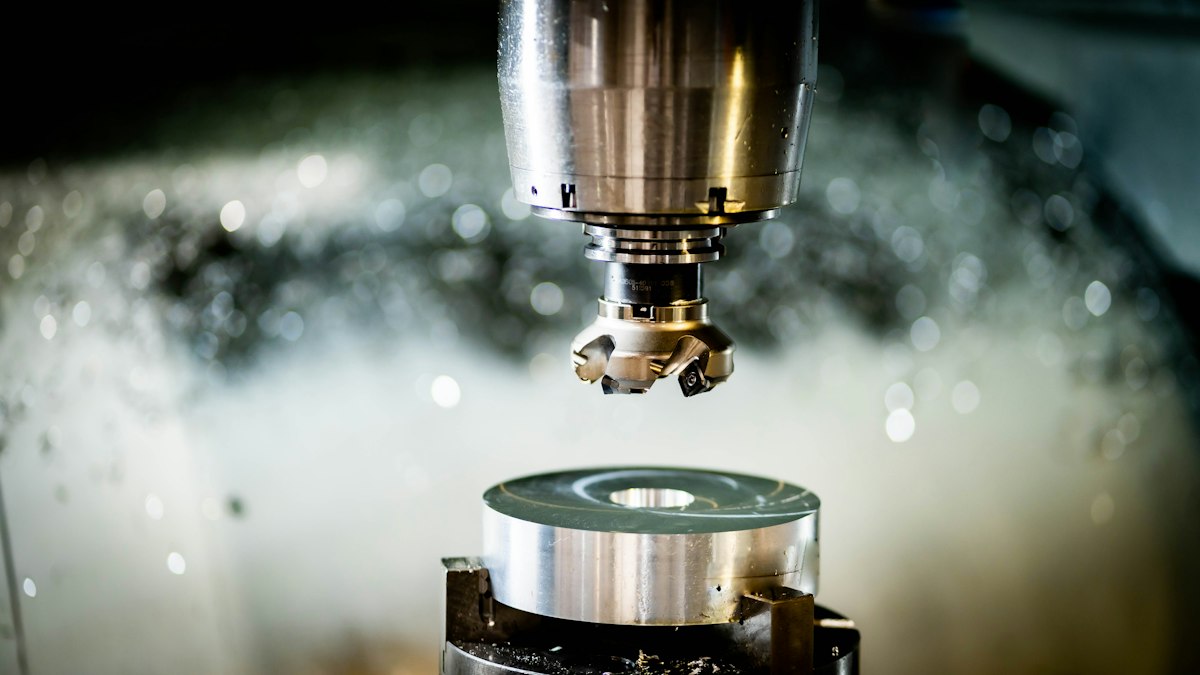
Motor parts covered here
- Motor housings and frames
- End bells and bearing caps
- Rotor and armature shafts
- Stator housings with water jackets
- EV drive unit housings
- Fan and pump motor brackets
- Encoder and resolver mounts
- Terminal boxes and covers
Most of these live or die on one dimension. A bearing seat that is 15 microns oversize lets the outer race creep, and the motor is noisy within months. That is why the fit, not the outline, decides which shop should quote.
Machined from bar, or machined from a casting?
For housings and end bells this is the first question a shop asks, and it changes the quote more than the shape does. Decide it before you send the RFQ, or tell us you want both prices.
Cut from bar, tube or plate
The shop starts from stock and removes everything that is not the part.
- No tooling cost, so it wins on prototypes and the first few hundred pieces
- Design changes are cheap because nothing is tooled yet
- More material removed and more cycle time per part
- Wall thickness and fin detail are limited by what a cutter can reach
Machined from a casting
A cast or forged blank arrives close to shape and the shop machines only the critical faces.
- Cheaper per part once volume covers the pattern or die
- Fins, ribs and thin walls that are slow to cut come out of the mold
- Tooling cost and 4 to 10 weeks before the first blank
- The shop needs fixturing that tolerates a blank with stock variation
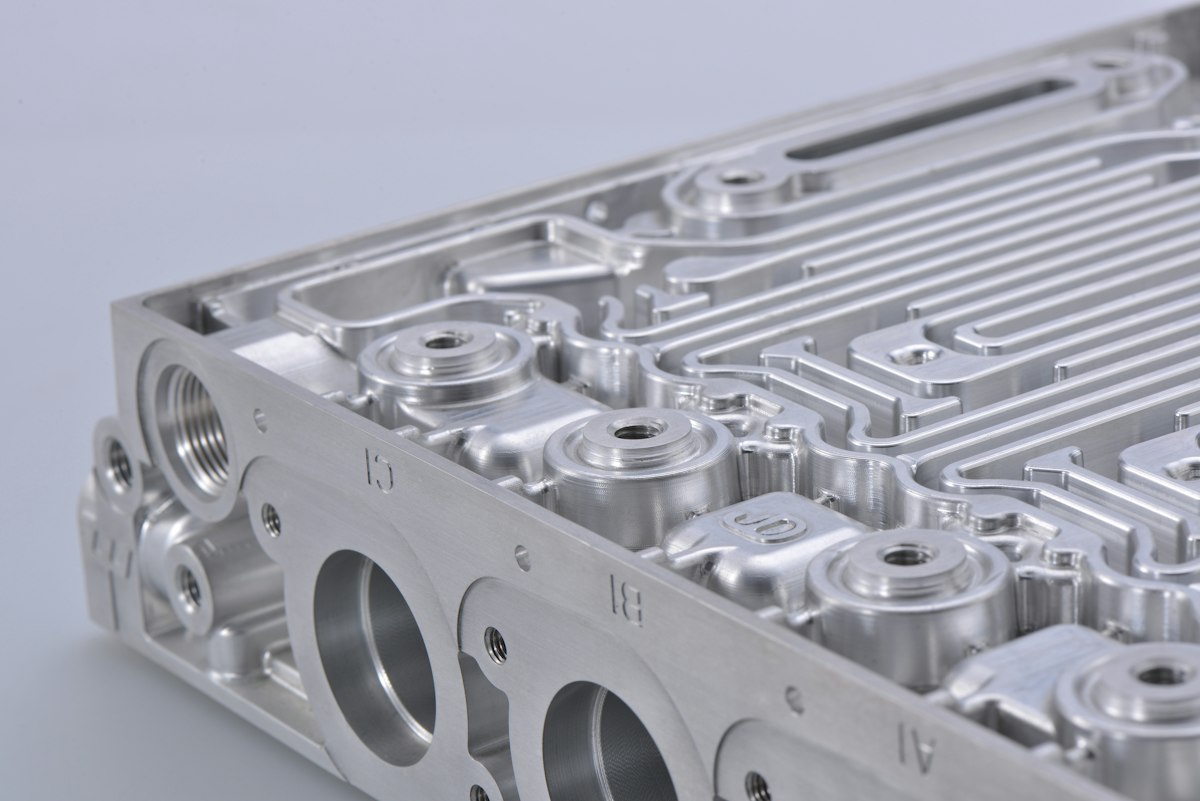
Where the break-even sits
The break-even point moves with part size. A small end bell can stay on bar up to a few thousand pieces because the cycle is short. A large water jacket housing usually wants a casting far sooner, because there is simply too much aluminum to remove.
There is a third option worth asking about. For a round aluminum housing, a drawn or extruded tube starts close to the outside diameter with no tooling cost at all, and the bulk of the material is already gone before the first cut.
Materials and tolerances in motor parts
What changes when you ask a shop to quote each material. These are typical ranges, not promises. The shop that quotes you confirms what it can hold on your geometry and your blank.
| Material | What changes | Typical tolerance |
|---|---|---|
| Aluminum 6061, A356, ADC12 | Most housings and end bells. Cast blanks are normal here, so stock allowance and porosity decide how the bore finishes. | Bores ±0.01 to ±0.025 mm |
| Steel 1045, 4140 | Rotor and armature shafts. Usually turned soft, heat treated, then ground on the journals. | Journals ±0.005 mm after grinding |
| Stainless 303, 304, 316 | Shafts and housings for washdown or wet duty. Slower cutting and more tool wear than steel. | ±0.01 to ±0.025 mm |
| Cast iron GG25, GGG40 | Frames for industrial motors. Cuts well but needs dust handling and its own tooling. | ±0.02 mm is common |
| Copper C11000, brass | Bus bars, terminals and commutator parts. Gummy material, so it wants sharp tools and different feeds. | ±0.02 mm |
| PA66, PPS, PEEK | Fan covers, insulators and small end caps. Plastics move with heat and moisture after the cut. | ±0.05 mm is realistic |
Where the motor parts go
Different end markets bring different paperwork. Mention material certs, PPAP, first article inspection or balancing limits in your RFQ so we match shops that already work that way.
Electric vehicles
Drive unit housings, traction motor end covers and rotor shafts, often with IATF paperwork.
Industrial automation
Servo and stepper housings, gearbox adapter plates and encoder mounts.
Pumps and HVAC
Motor frames, fan brackets and shaft assemblies for wet or dusty duty.
Appliances
BLDC housings and end bells in volumes where tooling cost has to be earned back.
Drones and robotics
Outrunner bells, stator mounts and hollow shafts where every gram counts.
Power tools
Armature shafts, gear cases and bearing housings in repeat batches.
How it works
One RFQ from you. A short list of shops that fit the part. No bidding platform and no middleman sitting on the order.
Send your RFQ
Upload a STEP file or PDF drawing and tell us the part type, material, blank, quantity and the tightest tolerance. Takes about three minutes.
We match up to 3 shops
We read the drawing and pick shops whose turning capacity, gauging and part size fit it. You hear from us within 24 business hours.
Shops quote you directly
Each shop contacts you with a quote. You compare, ask questions and place the order with the one you choose.
What drives the price of a machined motor part
Six things decide most quotes. If a price comes back higher than you expected, one of these is usually the reason, and three of them you can change on the drawing.
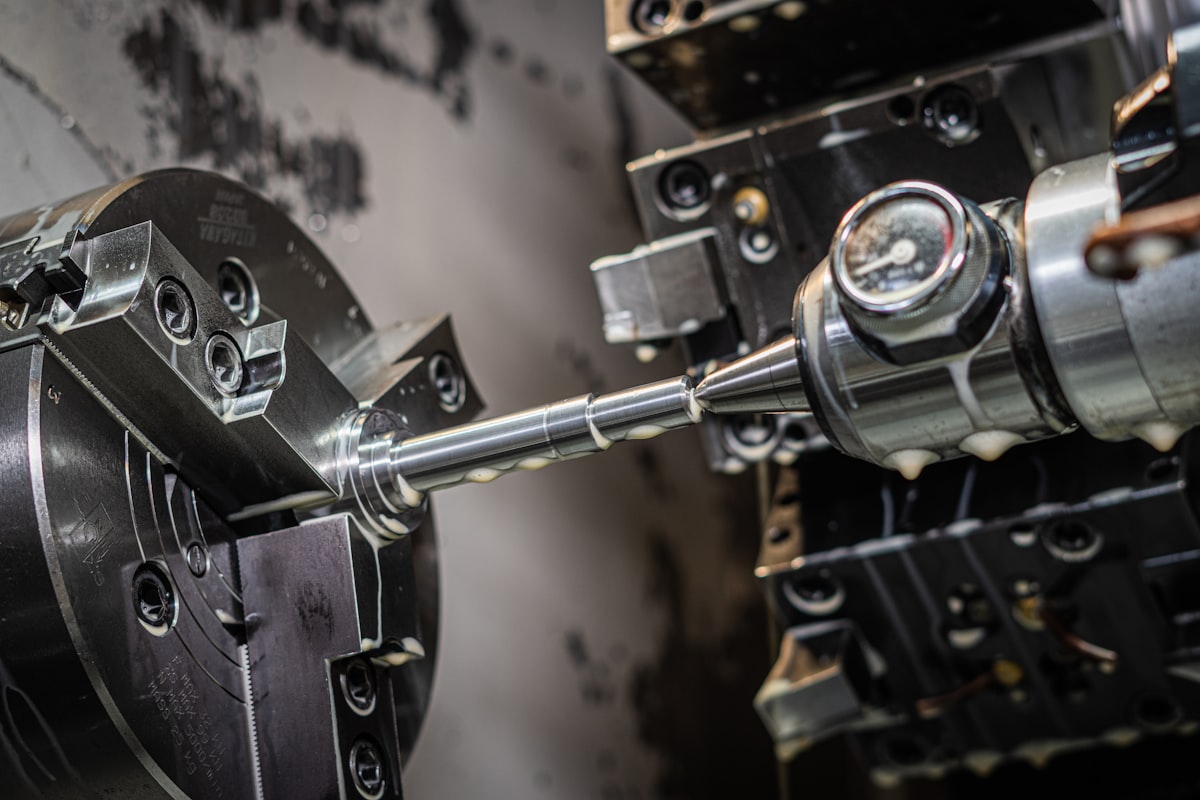
- The bearing fitA seat at H6 needs a finish boring pass, a bore gauge and an operator who checks every part. H8 does not. This one callout moves the price more than the material does.
- Blank choiceA casting is cheaper per part at volume but carries tooling cost and lead time. Cutting from bar, tube or plate wins on the first few hundred pieces.
- Concentricity between seatsHolding two bearing bores true to each other usually means one setup on a turn mill, or a second operation on a fixture built for the part.
- Shaft grindingTurning gets a journal close. Diameter tolerance under about 0.01 mm or finish under Ra 0.4 needs a grinder, which is a separate machine and a separate queue.
- Batch sizeSetup and fixture cost spread across the order. Price per part falls quickly between 10 and 500 pieces, then flattens out.
- Balancing and finishingDynamic balancing, anodizing, plating, impregnation and paint each add cost and a few days of lead time.
Have a drawing ready?
Send the short version now. We will ask for anything missing. If you would rather give full details up front, use the full RFQ form.
Your files go only to the shops we match. Ask for an NDA and nothing is shared until it is signed.
Turn shafts and bore housings? Get RFQs that fit your machines.
Shops see a preview of each request before paying for it, then talk to the buyer directly. We take no commission on the order.
Questions buyers ask
Something else? Email .
Do you machine motor parts yourselves?
No. We are a matching service, not a machine shop. We read your RFQ and pass it to shops that turn and bore motor parts. They quote you, and you place the order with them.
Is this free for buyers?
Yes. Sending an RFQ and receiving quotes costs you nothing. Shops pay us for matched requests. Price, terms and delivery are agreed between you and the shop.
Who sees my drawing?
Shops first see a short preview: part type, material, size, quantity, tolerance and deadline. It carries no name, company or files. Your contact details and drawings go only to the shops we match, up to 3. Tick the NDA box and we hold the files until it is signed.
How many quotes will I get?
Up to 3. If only one or two shops have the right lathe, bore gauge and bearing fit experience for your part, we send it to fewer rather than fill the list.
Can shops work from my casting or forging?
Yes, and it changes who fits. Machining a cast housing needs fixturing for an uneven blank and a plan for stock variation. Say on the RFQ whether you supply the blank or want the shop to cut from bar, plate or tube.
What should I send for an accurate motor part quote?
A STEP file plus a PDF drawing that marks the bearing seats, the fits, any concentricity or runout callouts and the surface finish on journals. Add the annual quantity and the batch size. Those two numbers change the price more than anything else on the print.
Guides for motor part buyers
- Tolerances
Bearing Fits, Concentricity and Runout in Motor Parts
Which tolerance callouts on a motor drawing change how the motor runs, which ones only change the price, and how to tell them apart before you send an RFQ.
- Choosing a Supplier
How to Choose a Machining Shop for Electric Motor Parts
Five questions that separate a shop that machines motor parts from a general job shop, what certificates actually tell you, and the red flags in a quote.
- For Shops
How to Win Motor Part Machining Work: A Shop's Guide
What a motor part buyer looks for before awarding work, which answers lose the job in the first email, and how to quote a housing without guessing at it.